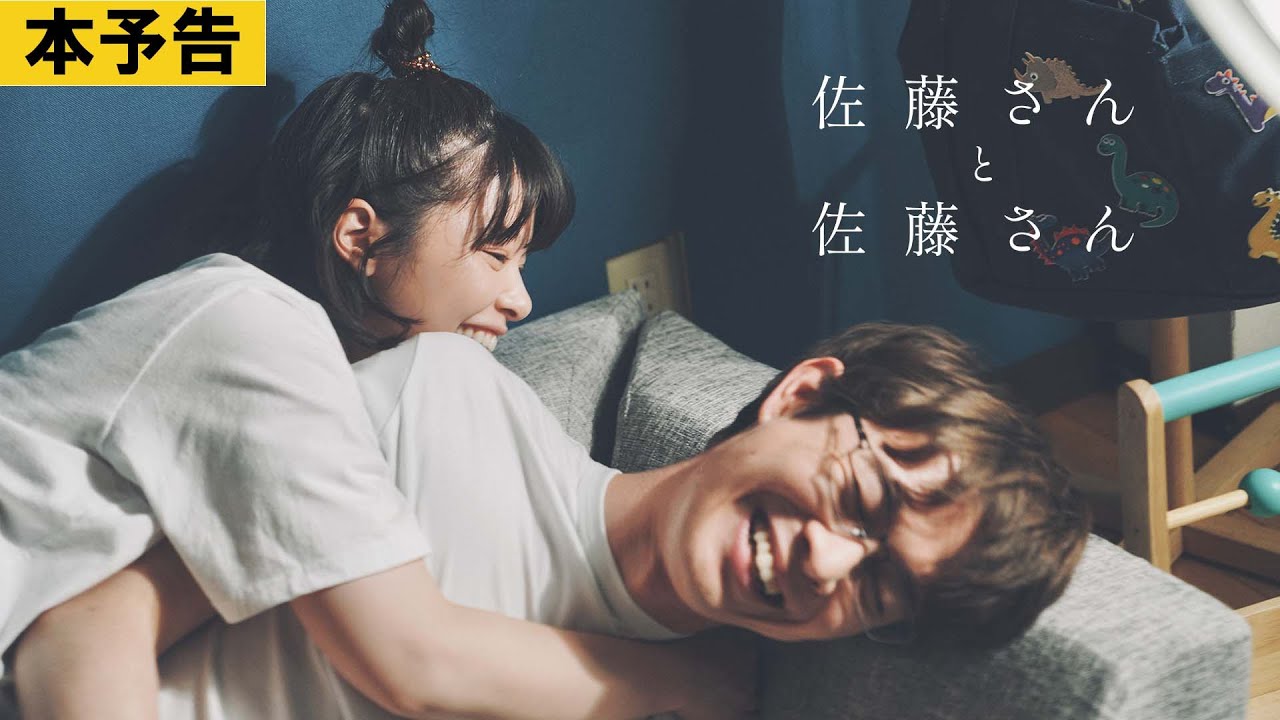
Sato and Sato (2025) is directed by Chihiro Amano, starring Yukino Kishii as Sachi and Hio Miyazawa as Tamotsu.
Warning: spoilers ahead, including the ending.
Sachi and Tamotsu are both lovable. That is what makes this film cruel.
Covering the fifteen years from their first meeting to their divorce, the film never lets the audience cast either of them as the villain. You are drawn to Sachi’s easygoing warmth, you sympathize with Tamotsu’s earnestness, and you relax watching the two of them laugh together. Which is precisely why watching the relationship come apart, piece by piece, is so suffocating.
The marital arguments are unnervingly real. The recognition factor is off the charts — while watching, my own memories kept getting poked. One careless remark irritates the other; that irritation produces the next careless remark. And it never detonates in a single explosion — it escalates gradually. The relationship doesn’t break one day; it dies a little every day. The depiction of that slow drift is frighteningly accurate.
Timing, capacity, and luck
The core of the film is a tragedy of timing: Sachi alone passes the bar exam. It is not that Tamotsu lacked ability — the order of passing was simply wrong. Had they passed together, had Tamotsu passed first, everything might have been different.
The very qualities that attracted them as lovers become the source of friction the moment their positions change. Sachi’s easygoing nature starts to look like insensitivity to Tamotsu; Tamotsu’s meticulousness starts to feel stifling to Sachi. Neither of them has changed — only the relationship is dying.
The married friends as a mirror
The presence of a couple in their circle who did not divorce elevates the film from a divorce story to a universal question. Those friends are not portrayed as the “success case.” They too may have quietly given things up, endured things out of sight. Or maybe their trials simply arrived on a different schedule.
What the contrast conveys is that whether a relationship survives is not a function of the depth of love or the quality of the partner, but a combination of timing, capacity, and luck. That is why the film carries a universal sadness: a tragedy with no one to blame. Neither party is at fault — two unfinished people, battered by the world, exceed their capacity, wound each other, and at some point can no longer find the way back.
Knowing yourself
What stayed with me after the film is the importance of knowing what you truly need. If Tamotsu had understood earlier who he was, he might not have collapsed everything into the single point of the bar exam. He might have found happiness more flexibly, without dragging Sachi down with him.
Of course, that’s hindsight. No one fully understands themselves when they are young. Which is exactly why this story could happen to anyone — and exactly why this film hurts.
Knowing yourself is, I think, a necessary condition for happiness. Not a sufficient one. You cannot control timing or luck, but if you know what you actually need, you can at least avoid grinding yourself down on the wrong battlefield.
Yukino Kishii’s and Hio Miyazawa’s performances are what make this “no one is at fault” story hold together. Because you can empathize with both, you can save neither. After the credits, I couldn’t get up for a while.